"Where do you get your protein?"
"Candice, are you getting enough protein?"
"I think you should eat animal proteins."
Introducing the inevitable vegetarian Mount Everest: conquering the protein myth. Although now, since I'm vegan, I've had many other questions thrown my way about my diet, this is still probably number one.
It's completely understandable, too. It seems like the nutrient that is most emphasized by the media is protein. Lean proteins, high-quality proteins, animal proteins, vegetable proteins...blah blah blah. It's enough to make anyone confused, like many other aspects of nutrition.
Now that I think about it, before I was vegan I knew very little about protein. I did think that certain types were better than others, and always strived to eat lean proteins like chicken and fish over others like beef, pork, and eggs. I never really knew why I was eating it other than I had heard my body needed protein. How much and where from, I didn't really know.
Here's the thing about being a vegan; you need to know your stuff. When I first made the decision, I was bombarded with questions, one of the hardest to answer was the question about protein. Being new at veganism, these questions would always leave me fumbling for answers and feeling frustrated. Little thoughts would pop into my mind saying, "Do you really know what you're doing, Candice?"
I didn't. At least not at the beginning. I distinctly remember someone throwing the "complete protein" argument at me and I couldn't defend it. I decided that day, then and there, that I would have to read up on every aspect of nutrition if I was going to be a vegan, be a healthy vegan, and be a good ambassador of this lifestyle. There's something about being a vegetarian or vegan that makes people ask all sorts of questions about your diet, when you've never been asked them before. In my opinion, we all should be asking and answering these questions, regardless of our sources of nutrients.
Back to proteins. So when did Americans start placing a large emphasis on proteins in our diet? It might have started back in 1914, when a series of experiments were conducted on some rats. In this study, two groups of rats were fed two different types of protein. One group was fed animal protein and the other plant protein. The group that was fed animal protein grew larger and faster than did the other group. The conclusion was almost obvious; animal protein seemed superior to plant protein.
Further studies conducted in the 1940s narrowed it down to 10 essential amino acids (now it is only eight) for growth in rats, this made up a "complete protein." These amino acids are called "essential" because our bodies need them but can't make them. This is why, for many years, animal proteins have been considered superior to plant proteins--because they are a single-source complete protein. There was however, several flaws in these experiments. One being that it was not conducted on humans.
When I started reading up on proteins, one thing struck me that I never realized before: all foods have amino acids. In other words, all foods have structures to make a complete protein, some just have higher amounts than others. Some plant foods when paired together, make a complete protein, such as beans and rice. Frances Moore Lappé, author of Diet for a Small Planet, was the first to talk about this idea of complementary proteins in her book. She suggested eating complementary proteins at one sitting, instead of at different times.
In some ways, this complicated things about protein. People were confused and it gave people the idea that you had to have an infinite knowledge about plant proteins and what went together, and what not. However, after further research had been conducted she restated her claim by saying that it was no longer necessary to eat complementary proteins at one meal but that our bodies were capable of synthesizing the amino acids from varying plant proteins and using them as a complete protein source.
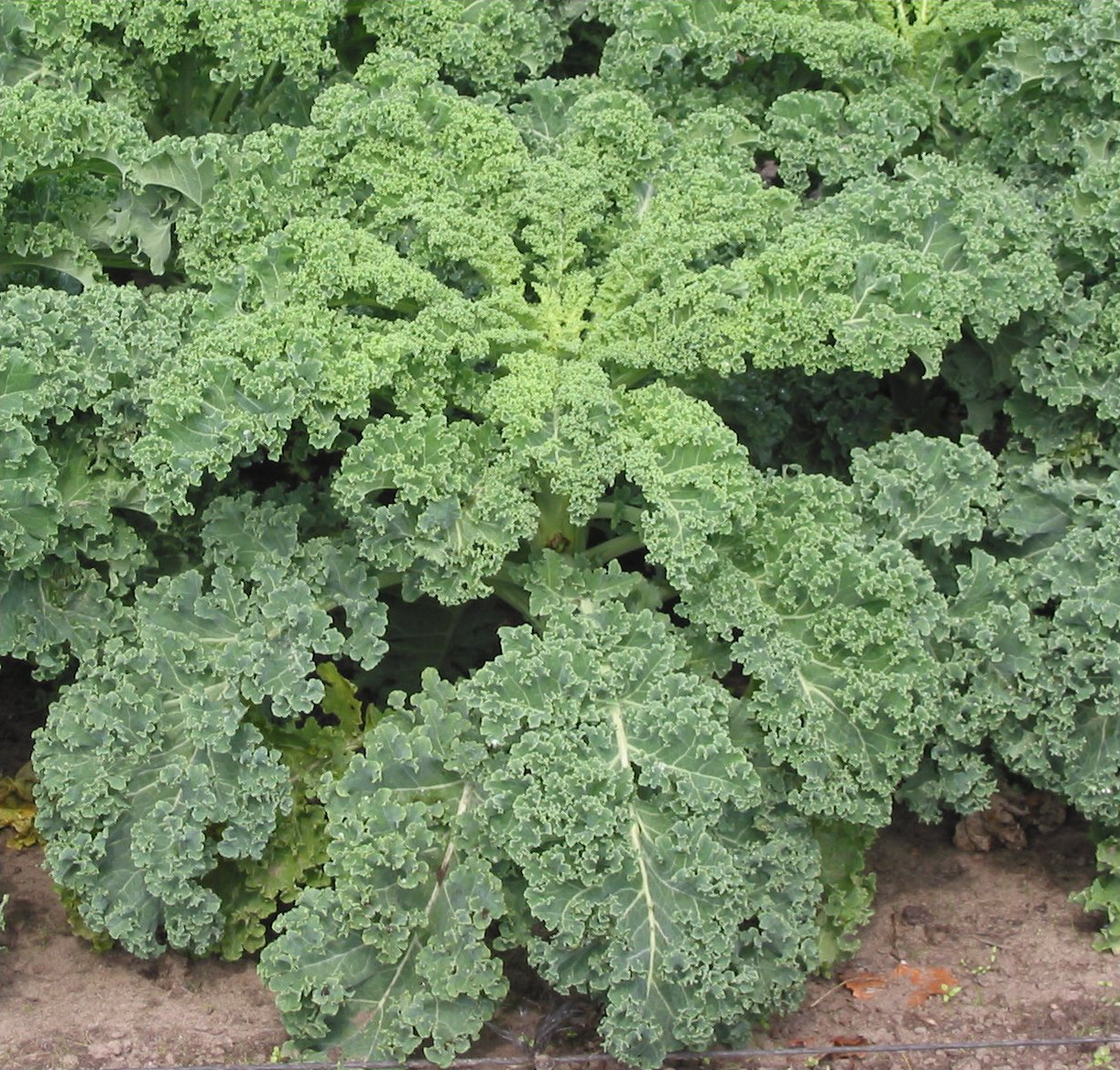
Now it is common to think of vegetarian sources of protein as beans, nuts, and grains. This is very true, but there is protein in vegetables, too! For example, did you know that one cup of raw kale and and one cup of tomatoes both have two grams of protein per serving? I know that I didn't before I was vegan.
So now that you know there's amino acids in virtually every food that we consume, how much protein do we need? Relative to total calorie intake, we only need 5-6% of dietary protein to replace the protein that our body uses. Even human breast milk, important to babies in the times when they grow and develop the most, has 5% dietary protein per caloric amount.
The amount recommended for adults by the government is constantly changing, thus fueling the debate over protein. The Food and Nutrition Board has the responsibility every few years to review and update current dietary recommendations. In the book, The China Study, the 2002 review is quoted directly, so I'll quote it here:
"To meet the body's daily energy and nutritional needs while minimizing
risk for chronic disease, adults should get 45% to 65% of their calories from
carbohydrates, 20% to 35% from fat and 10% to 35% from protein..."
Does anyone else find this extremely confusing? Why the huge varying amount, in 10 to 35% in protein? Americans, on average, consume nearly double the recommended amount, in the range of 11-21%. So if we are already consuming double what we need, then why is it recommended that we can consume up to 35% of our calories as protein?
I can tell you that consuming that much protein, especially animal protein, is only a recipe for disaster (I'll talk about that in a minute). However, there is a problem with consuming too little protein. This results in a medical condition known as kwashiorkor. This is pretty easy to recognize and we just don't see it here in America. Remember seeing pictures of starving children in Africa on commercials with poor bloated bellies? That's kwashiorkor--lack of protein.
In fact, with a few exceptions, if people are getting their recommended caloric intake of the day, they are most likely getting enough protein. It is only when a diet is full of sugary, junk foods or when there simply aren't enough calories that this is a problem. It is easy to get enough protein on a whole foods, plant-based diet.
Excessive amounts of protein, particularly animal protein has been linked to cancer, gout, kidney problems, osteoporosis, and other medical conditions in our body. Let's take osteoporosis for example. Among other things that can certainly play a role in causing this disease, one strong link has been excessive amounts of animal protein. This happens because animal proteins increase the acidity in our blood. In order to compensate and make our blood neutral, our body leeches calcium from our bones.
The animal protein-fed rats in the 1914 study, although they were large and appeared healthy, soon started to develop numerous health problems.
Recent studies have shown that vegetable sources of protein are not only as good as animal proteins, but they are better. Many of the largest civilizations on earth, such as the Mayans, Chinese, and Indian civilizations are based largely on plant foods and they are thriving (well, in the case of the Mayans, they thrived).
I think there is too much confusion around nutrition in America. With the recent Atkin's and South Beach diets, people are left confused as to what really is good for their bodies. I admit, reading up on nutrition sometimes makes you want to rip your hair out, with all the debates and various sides.
I will say this: plant proteins, unlike animal proteins, have plenty of additional nutrients to offer when you consume them. There are a few grains out there that are a source of complete proteins, such as quinoa and buckwheat. When you eat these proteins, not only are you ingesting complete proteins, but you get tons of fiber (something you won't find in animal products), folate, iron, magnesium among other things. And they're free from cholesterol and saturated fats.
Amid all the confusion and hype over proteins, I hope I've helped to clear this up a little. I think from now on, you know where I'll be getting my protein.
And where do you get your protein? It's up to you.